Korea Business Review · Section
GLOBAL RADAR
Standard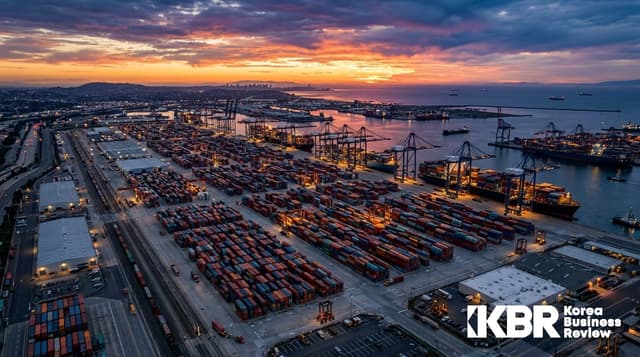
Biz / Investment
From Efficiency to Resilience: How Small and Medium-Sized Enterprises Can Survive the Tide of Global Supply Chain Restructuring
Driven by the compound shocks of geopolitical tensions, the COVID-19 pandemic, and climate change, global supply chains are undergoing a structural transition from an "efficiency-first" to a "resilience-first" model, with reshoring, nearshoring, friend-shoring, and diversification emerging as core trends. The U.S. government is strengthening policy support through executive orders, the establishment of supply chain councils, and risk assessment tools, while the EU is institutionally backing supply chain restructuring via the Critical Raw Materials Act (CRMA) and the Carbon Border Adjustment Mechanism (CBAM). Despite resource constraints, SMEs can leverage their strengths in agility and specialization to respond to supply chain shocks through five core strategies: diversifying suppliers, transitioning to near-sourcing, modifying inventory strategies (from JIT to JIC), adopting digital technologies, and building collaborative partnerships.
류현진 선임기자 · 05/27/2026
Read more →
Biz / Investment
Tim Cook Steps Down, John Ternus Steps Up: Three Questions Apple's CEO Transition Raises for Investors
KBR 편집부 · 04/27/2026
Biz / Investment
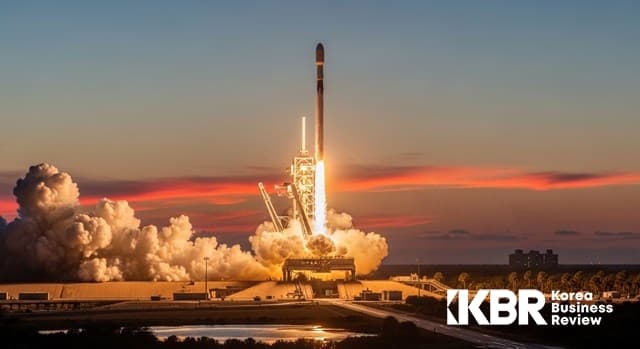
SpaceX IPO Complete Guide: 4 Key Things Korean Investors Must Check Right Now
강지혜 기자 · 04/24/2026
Global Economy
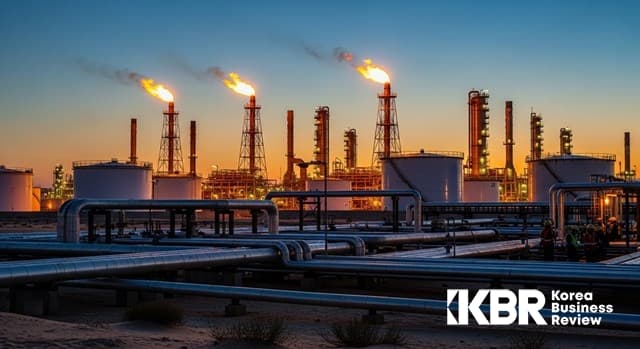
Triple Shock of War, Tariffs, and Blockade: The Reality of April 2026 Faced by the Global Economy and South Korea
KBR 편집부 · 04/23/2026

AI / Tech
Nvidia Unveils the World's First Open-Source Quantum AI Model 'Ising' — AI Becomes the Operating System for Quantum Computers
이우리 기자 · 04/20/2026
Global Economy
U.S. Tariffs: Even if the Law Changes, Tariffs Do Not Stop
Amid a multi-layered structure where Sections 122, 301, and 332 operate simultaneously following the ruling against IEEPA's illegality, customs clearance strategies for South Korean companies remain a work in progress. The tariff war intensified by the Trump administration after returning to power in January 2025 has reached the present day through five structural shifts over the past 15 months: imposition, suspension, hikes, negotiations, illegality rulings, and alternative legislation.
강지혜 기자 · 04/15/2026

AI / Tech
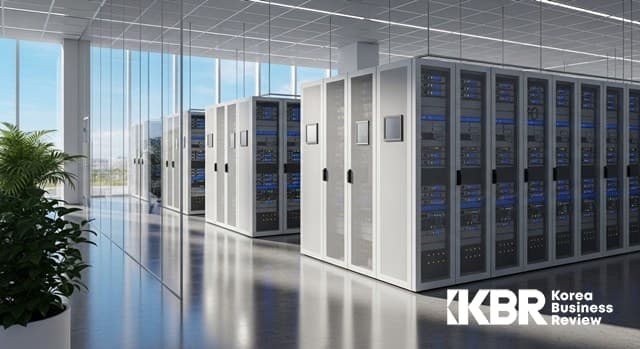
AI is Devouring Electricity — The New Survival Equation for Korean Enterprises
At the forefront of global business in 2026, three structural changes are unfolding simultaneously: the "energy supply pressure" where AI-consumed electricity tests national infrastructure; the "AI governance realignment" where the US, EU, and South Korea move in different directions; and the "ESG paradox" where carbon reduction mandates and expanded AI investments collide head-on.
김민경 기자 · 04/14/2026
Global Economy
Day 38 of the Strait of Hormuz Blockade: The Intersection of Trump’s Deadline and Ceasefire Negotiations
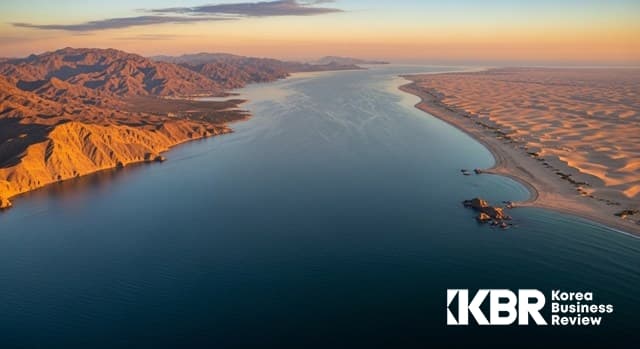
A panoramic view of the Strait of Hormuz. Situated between Iran and Oman and spanning approximately 34 km in width, this waterway is a critical energy corridor through which roughly 20% of the world's crude oil supply passes. A de facto blockade has persisted following the US-Israel airstrikes on Iran on February 28, 2026.
최수진 기자 · 04/07/2026