

AI / TECH
The Next Bottleneck for AI Data Centers is the Power Grid
Based on the IEA's data center power demand projections and nuclear contracts by Google and Microsoft, this article examines the management challenges of connecting power supply timelines, facility operations, and customer service launches.
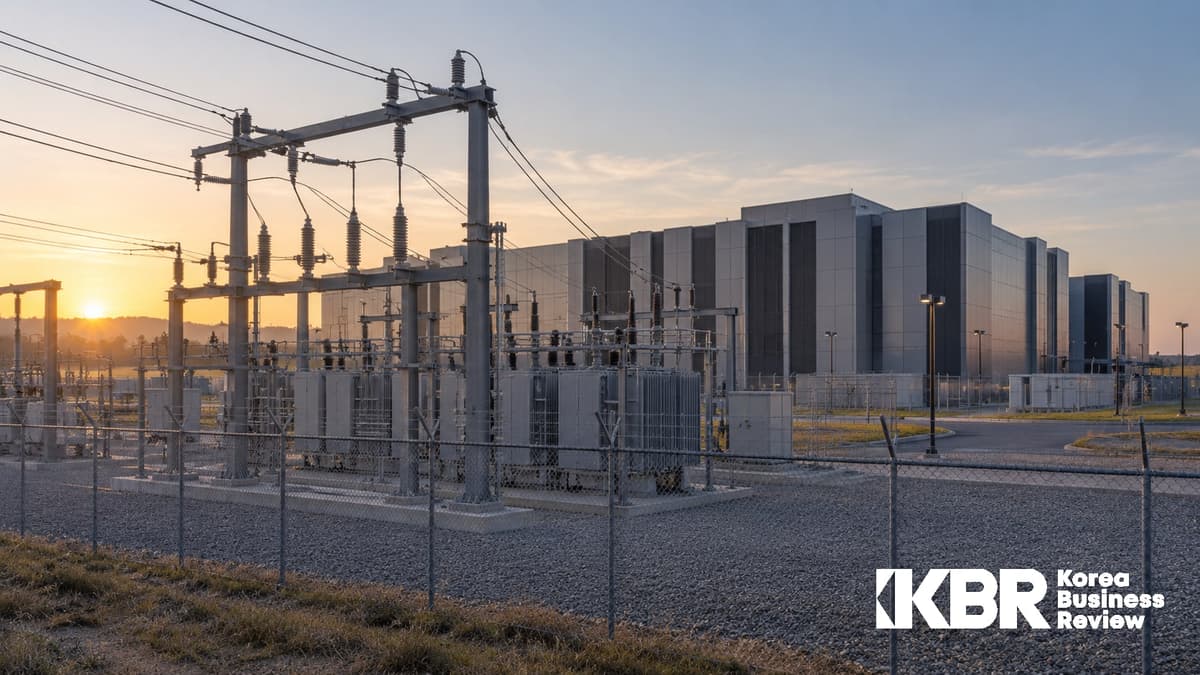
Big Tech's Nuclear Contracts Reveal AI Infrastructure Competition — From Securing Equipment to Timetables for Power Supply If the competition surrounding AI data centers is interpreted solely through the lens of semiconductor procurement and investment size, it is easy to miss the moment when facilities actually commence business operations. Even if servers are brought in and buildings are completed, computing services cannot be delivered to customers if the necessary power is not supplied on time. In such cases, equipment and real estate remain acquired assets, but the schedule for selling services and recouping investments is pushed back. This is the background against which power supply has evolved from a peripheral condition of the data center business into a core task directly managed by executives. Microsoft's long-term power purchase agreement linked to the restart of an existing…
KBR Access
Read this Global Radar article now
Buy this article for ₩3,900 (30 days of access), or get KBR+ 10 — 10 paid articles for ₩9,900 (₩990 each). KBR Members (free sign-up) read one paid article free every month.
✓ No account needed · Checkout is in Korean
Best value
KBR+ 10 · ₩9,900
An insight pass that opens 10 KBR+ articles, one at a time, whenever you like
10 KBR+ articles including KBR Analysis — ₩990 each. Use them within 60 days.
Get KBR+ 10KBR NEWSLETTER
Sign up for free and get the KBR Newsletter!
Sign up and opt in to the newsletter to receive KBR's curated business and economic insights by email.
LATEST IN TOPIC
Latest in this topic



Related Content
Why France's 119% National Debt Does Not Mean the Economy Will Easily Bounce Back
KBR+ECB Freezes Rates at 2.5%, But Why Are Corporate Funding Lines Tightening Further?
KBR+China's Growth Rises to 4.5%: Why Consumption Must Be Examined Separately
KBR+Global Overseas Investment Rose by 15%, But Did New Factories Increase Too?