AI / TECH
Global AI Smart Glasses: Current Status and the Breaking of Meta's Monopoly Among Samsung, Google, and China
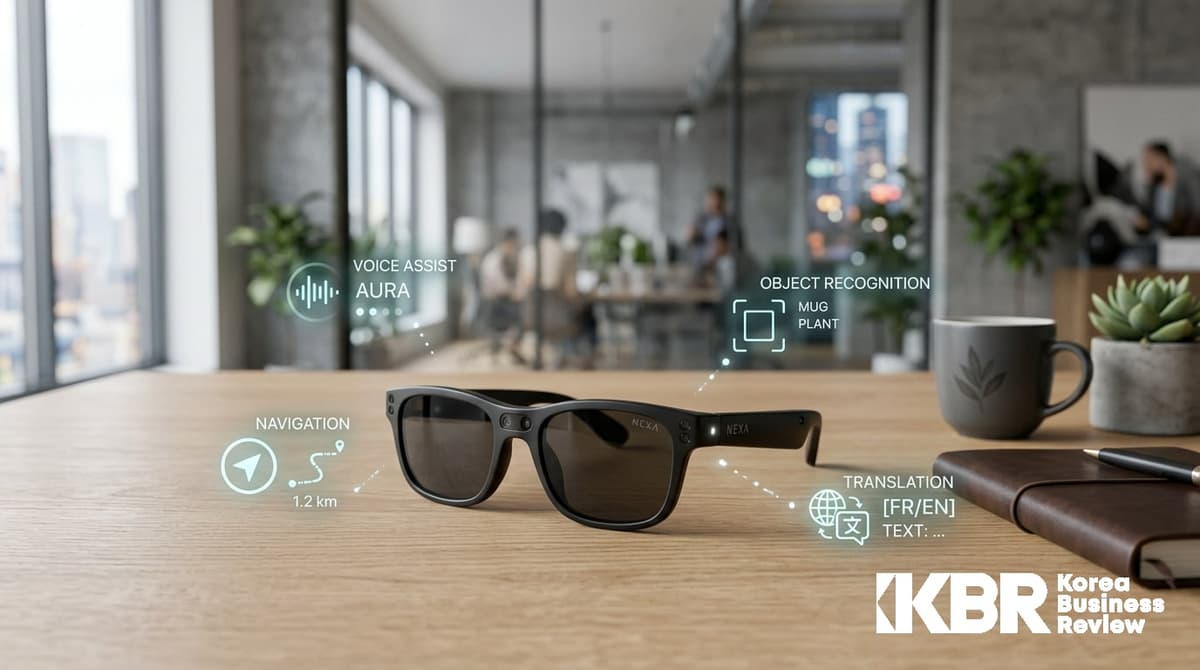
Dismissed as premature following the 2013 failure of Google Glass, AI smart glasses have re-emerged as the fastest-growing consumer hardware category, with Omdia projecting shipments to reach 8.7 million units in 2025 (a 322% year-on-year increase). Meta, which defined the market with an 85% share in 2025 according to Omdia, took an early lead in the display segment with its $799 Ray-Ban Display and EMG wristband, and continued to dominate the market with a 69.2% share in the first quarter of 2026, according to IDC. Samsung and Google are counterattacking with the 'Android XR' platform, unveiling 'Intelligent Eyewear' at Google I/O in May. With South Korean brand Gentle Monster selected as a design partner and companies like Kakao and Naver joining in, South Korea has positioned itself at the forefront of the value chain. Chinese companies like Rokid and Alibaba are chasing the market with direct virtual screens and aggressive pricing, while Apple is not expected to release eyewear until 2027, reshaping the 2026 market from a Meta monopoly into a three-way battle. With average selling prices (ASPs) projected to drop by 40% within four years, the competitive axis is shifting from hardware to AI services and ecosystems, creating new opportunities for South Korean components, materials, and equipment (secondary) enterprises—such as displays, optics, SoCs, and batteries—as well as design and content partners.
Dismissed as premature following the 2013 failure of Google Glass, AI smart glasses have re-emerged as the fastest-growing consumer hardware category, with Omdia projecting shipments to reach 8.7 million units in 2025 (a 322% year-on-year increase). Meta, which defined the market with an 85% share in 2025 according to Omdia, took an early lead in the display segment with its $799 Ray-Ban Display and EMG wristband, and continued to dominate the market with a 69.2% share in the first quarter of 2026, according to IDC. Samsung and Google are counterattacking with the 'Android XR' platform, unveiling 'Intelligent Eyewear' at Google I/O in May. With South Korean brand Gentle Monster selected as a design partner and companies like Kakao and Naver joining in, South Korea has positioned itself at the forefront of the value chain. Chinese companies like Rokid and Alibaba are chasing the market with direct virtual screens and aggressive pricing, while Apple is not expected to release eyewear until 2027, reshaping the 2026 market from a Meta monopoly into a three-way battle. With average selling prices (ASPs) projected to drop by 40% within four years, the competitive axis is shifting from hardware to AI services and ecosystems, creating new opportunities for South Korean components, materials, and equipment (secondary) enterprises—such as displays, optics, SoCs, and batteries—as well as design and content partners.
Where Do Global AI Smart…
KBR Access
Global Radar content is available to Standard members and above
This content is available to Standard members and above. Standard unlocks general membership content including Insight 4.0, Policy Insight, and Global Radar.
FREE ACCOUNT · NO CARD REQUIRED
Create a free KBR account
Creating a KBR account is free and takes about a minute — no card required. You'll come straight back to this page once you're done.
KBR NEWSLETTER
Sign up for free and get the KBR Newsletter!
Sign up and opt in to the newsletter to receive KBR's curated business and economic insights by email.
LATEST IN TOPIC
Latest in this topic
 Tesla Cybercab Begins Commercial Operation in Austin: Where Does It Stand?
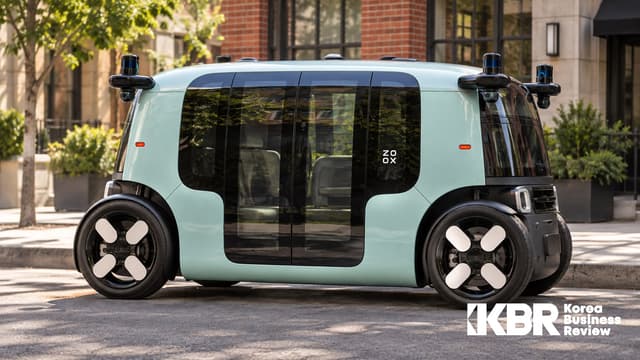 Amazon's Zoox Opens the Door to Commercial Robotaxis: The Next Competition After Driverless Driving Is Profitability
 How the EU Right to Repair is Reshaping Post-Sale Competition: Exporters Must Redesign Parts and Services From the Ground Up
RELATED CONTENT
Related Content
U.S. Manufacturing Hourly Compensation Rose While Unit Labor Costs Fell: Why They Must Be Read Together with Productivity
StandardLooking Only at Crude Prices Misses Fuel Costs: IEA Highlights Refined Product Bottlenecks and Corporate Procurement Choices
StandardWhy CMA CGM Wants FedEx's Logistics Business: A Supply Chain Deal Where Expansion Meets Focus
StandardBank of Japan Decides to Raise Policy Rate to 1.25%: When Will Costs Change for Yen-Transacting Companies?