RESEARCH NOTES
Korean Factories Are Now Heading to the U.S.: Direct Investment Hits $10.1 Billion, Highest in 4 Years
According to the Ministry of Economy and Finance, South Korea's overseas direct investment in the first quarter of 2026 rose by 36.2% to $21.74 billion, with U.S.-bound investment surging 107.6% to $10.15 billion—a four-year high confirming the United States as the top destination for Korean factories. Country-specific statistics for the second quarter of 2025 also showed the U.S. ($5.23 billion) overwhelmingly leading, more than seven times that of Vietnam ($700 million). The U.S. is chosen due to three main factors: a 15% tariff structure finalized through Korea-U.S. tariff negotiations, a $350 billion strategic investment package comprising $200 billion in cash investments and $150 billion in shipbuilding cooperation, and localization strategies in the world's largest market. While advanced industry investments by major conglomerates—such as $26 billion by Hyundai Motor Group, $37 billion by Samsung Electronics, and $10.8 billion by SK On—are concentrated in the U.S., a dual structure persists where Asia, including Vietnam, maintains the base for small and medium-sized enterprise production sites. However, underlying challenges such as domestic manufacturing hollowing and foreign exchange burdens make concurrent domestic investments of 800 trillion won and foreign exchange market management key variables going forward.
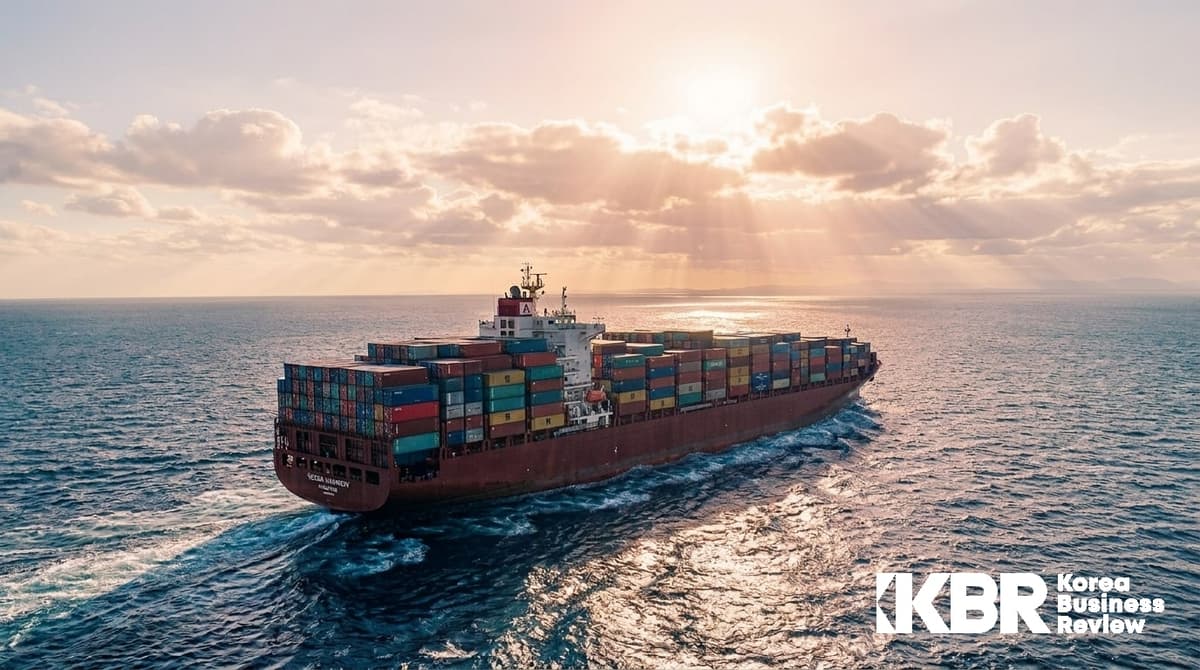
According to the Ministry of Economy and Finance, South Korea's overseas direct investment in the first quarter of 2026 rose by 36.2% to $21.74 billion, with U.S.-bound investment surging 107.6% to $10.15 billion—a four-year high confirming the United States as the top destination for Korean factories. Country-specific statistics for the second quarter of 2025 also showed the U.S. ($5.23 billion) overwhelmingly leading, more than seven times that of Vietnam ($700 million). The U.S. is chosen due to three main factors: a 15% tariff structure finalized through Korea-U.S. tariff negotiations, a $350 billion strategic investment package comprising $200 billion in cash investments and $150 billion in shipbuilding cooperation, and localization strategies in the world's largest market. While advanced industry investments by major conglomerates—such as $26 billion by Hyundai Motor Group, $37 billion by Samsung Electronics, and $10.8 billion by SK On—are concentrated in the U.S., a dual structure persists where Asia, including Vietnam, maintains the base for small and medium-sized enterprise production sites. However, underlying challenges such as domestic manufacturing hollowing and foreign exchange burdens make concurrent domestic investments of 800 trillion won and foreign exchange market management key variables going forward.
<p c…
KBR Access
KBR Analysis content is available to Premium members only
This content is available exclusively to Premium members. Premium comes as a 1-month pass (₩34,900, one-time payment, no auto-renewal) or a monthly subscription (₩29,900/month) — both available via Toss Payments. Premium unlocks core content including ESG, KBR Articles, and KBR Analysis.
FREE ACCOUNT · NO CARD REQUIRED
Create a free KBR account
Creating a KBR account is free and takes about a minute — no card required. You'll come straight back to this page once you're done.
KBR NEWSLETTER
Sign up for free and get the KBR Newsletter!
Sign up and opt in to the newsletter to receive KBR's curated business and economic insights by email.
LATEST IN TOPIC
Latest in this topic
 Even When U.S. Industrial Production Stagnates, Manufacturing Declines: Why Facility Investments Cannot Be Decided by Average Indicators
 Expanding High-Speed Rail Seats by 116,000 Weekly: How Much Will It Ease KTX Booking Struggles?
 Facility Investment Rose 7.5% While Consumption Dropped 2.4%: The Temperature Gap in Recovery Shown by July Industrial Indicators
RELATED CONTENT
Related Content