ESG MARKET & CASES
ESG Management: The U.S. Retreats, Europe Simplifies, and South Korea Finally Reaches the Starting Line
In 2026, global ESG entered a diverging phase where the U.S., EU, and South Korea are pursuing entirely different regulatory directions for the same concept. The U.S. has effectively withdrawn federal climate disclosure rules, fragmenting ESG around state-level regulations and investor demands. The EU has reduced the scope of CSRD and CSDDD and eased disclosure burdens while maintaining core principles such as double materiality and third-party assurance. South Korea has begun transitioning from voluntary disclosure to a statutory disclosure system through the finalization of KSSB standards and a phased mandatory roadmap starting in 2028. Korean companies must simultaneously manage EU supply chain requirements, KSSB compliance, and investor demand from the U.S. market, viewing ESG not merely as regulatory compliance but as infrastructure for global competitiveness.
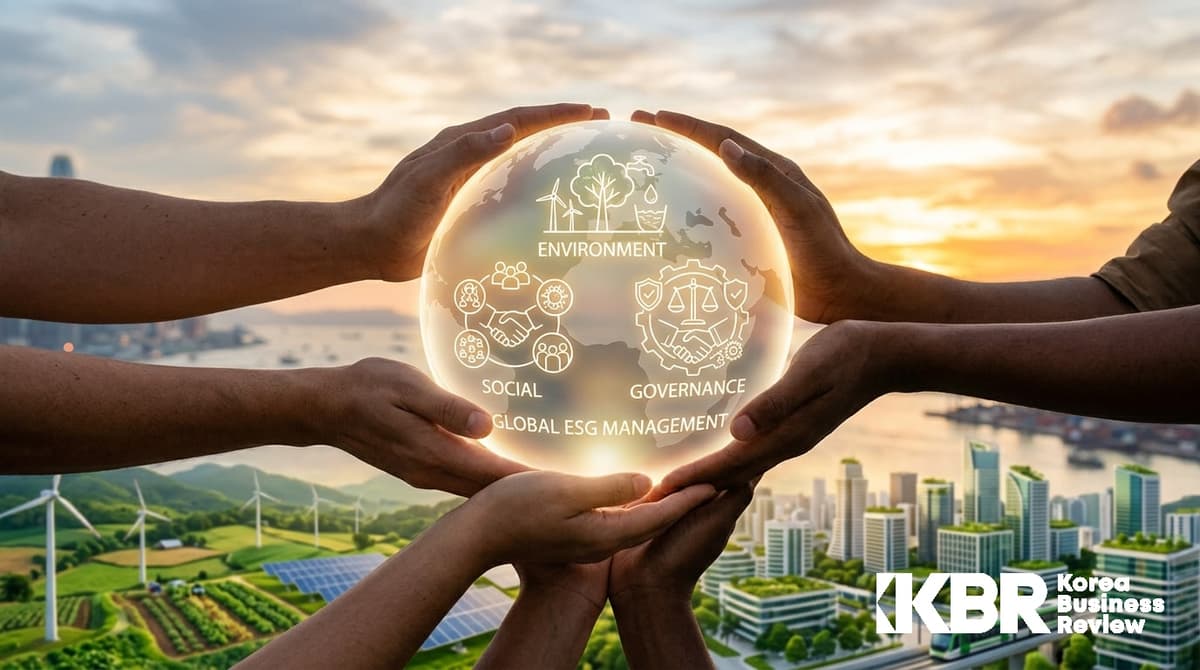
In 2026, global ESG entered a diverging phase where the U.S., EU, and South Korea are pursuing entirely different regulatory directions for the same concept. The U.S. has effectively withdrawn federal climate disclosure rules, fragmenting ESG around state-level regulations and investor demands. The EU has reduced the scope of CSRD and CSDDD and eased disclosure burdens while maintaining core principles such as double materiality and third-party assurance. South Korea has begun transitioning from voluntary disclosure to a statutory disclosure system through the finalization of KSSB standards and a phased mandatory roadmap starting in 2028. Korean companies must simultaneously manage EU supply chain requirements, KSSB compliance, and investor demand from the U.S. market, viewing ESG not merely as regulatory compliance but as infrastructure for global competitiveness.
The U.S.…
KBR Access
ESG content is available to Premium members only
This content is available exclusively to Premium members. Premium comes as a 1-month pass (₩34,900, one-time payment, no auto-renewal) or a monthly subscription (₩29,900/month) — both available via Toss Payments. Premium unlocks core content including ESG, KBR Articles, and KBR Analysis.
FREE ACCOUNT · NO CARD REQUIRED
Create a free KBR account
Creating a KBR account is free and takes about a minute — no card required. You'll come straight back to this page once you're done.
KBR NEWSLETTER
Sign up for free and get the KBR Newsletter!
Sign up and opt in to the newsletter to receive KBR's curated business and economic insights by email.
LATEST IN TOPIC
Latest in this topic
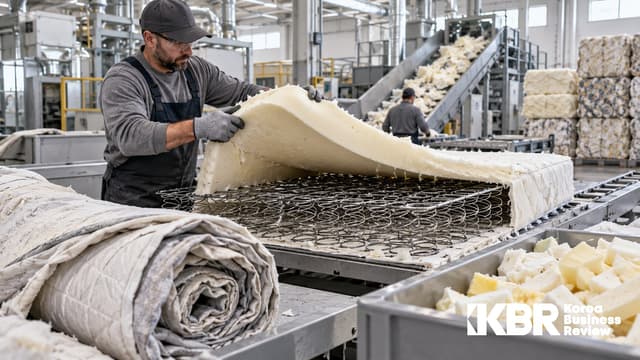 Recycling 2 Million Mattresses Is Not the End: Raw Materials and Market Channels That Determine Circular Economy Profits
 Better Water Use Efficiency Doesn't Eliminate Scarcity: Corporate Water Management Through the Lens of Microsoft
 Patagonia's Circular Economy Blind Spot: Tasks Left After 170,000 Repairs
RELATED CONTENT
Related Content
EU Food Waste Reduction Targets: Food Companies Must Change the Structures That Cause Waste, Not Just Measure What Is Thrown Away
PremiumApple's 30% Recycled Materials: What Supply Chains Must Prove Beyond 'Eco-Friendly' Raw Materials
PremiumWhy UNEP's Redrawn 'Exceeding 1.5°C' Pathway Demands Corporate Climate Strategies Combine Mitigation and Adaptation