

ISSUE BRIEFING
Prolonged Iran War: Why Crude Oil Securitization Doesn't Mean Eased Corporate Burdens
If the Iran war is prolonged, the burdens of procurement costs, delivery schedules, and cash flow may grow regardless of crude oil security. Based on data from the government, Bank of Korea, IEA, and IMF from October, this article analyzes the impact on inflation, exchange rates, and industries, alongside criteria for corporate response.
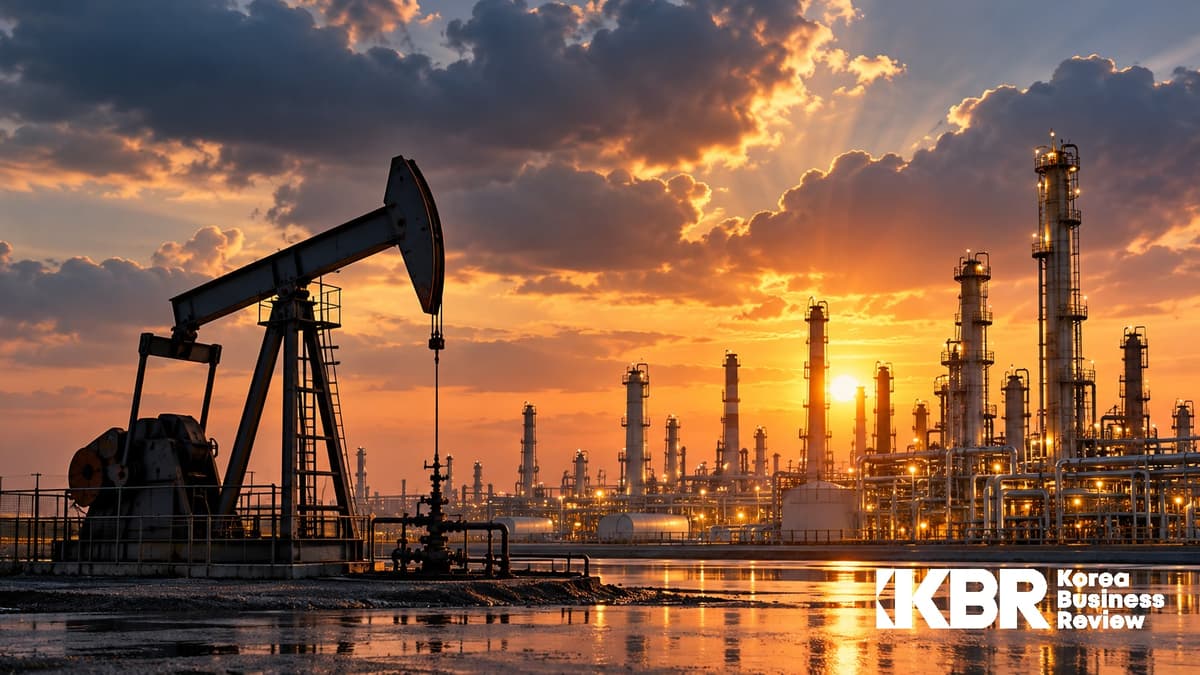
When the Iran war is prolonged, the more enduring shock to the South Korean economy and businesses lies not merely in crude oil shortages, but in the convergence of rising procurement costs, delivery uncertainties, and financial pressures. Even if immediate crude oil needs are secured, profitability and cash flow can deteriorate if companies bring in supplies at high costs, sell late, and receive payments later. However, the outcome varies depending on how effectively semiconductor exports, exchange rates, and government supply-demand responses absorb the shock, meaning it cannot be concluded that all industries will simultaneously experience a contraction or that the Korean won will unilaterally weaken. Securing Crude Oil and Stabilizing Costs Are Different Matters Data related to petroleum price ceilings released by the Ministry of Trade, Industry and Energy on October 16, 2026, contai…
KBR Access
You've used up this month's KBR News reads
Non-members can read a limited amount of KBR News content. Sign up for free or check the membership guide to keep reading.
This month's reading: 1 / 1 used
KBR NEWSLETTER
Sign up for free and get the KBR Newsletter!
Sign up and opt in to the newsletter to receive KBR's curated business and economic insights by email.
LATEST IN TOPIC
Latest in this topic


Related Content