MANAGEMENT ARTICLE
Learning Management from the 90-Minute Pitch: Strategic and Tactical Lessons the 2026 World Cup Offers to Businesses
The World Cup stadium is a microcosm of corporate management—the process of mobilizing an organization toward goals with limited time and resources, analyzing opponents, and responding to variables in real time is fundamentally similar to management. Distinguish yet align strategy and tactics—when you think of broad direction (strategy) and specific execution (tactics) separately while connecting them consistently, you can avoid the trap of vision and execution operating in silos. Data does not replace intuition; it prompts better questions—the discernment to filter out indicators that have actual causality with performance, rather than easily measurable surface-level numbers, is key to decision-making in the data era. Structure, placement, and selection and concentration dictate performance—competitiveness is created by the structure in which an individual works rather than their individual ability, and by resource allocation focused on critical junctures rather than equal distribution. Ultimately, people move organizations—leadership that prepares for crises with multiple scenarios, motivates each member appropriately, and leads the team with an unshakeable identity is the final completion of all strategy.
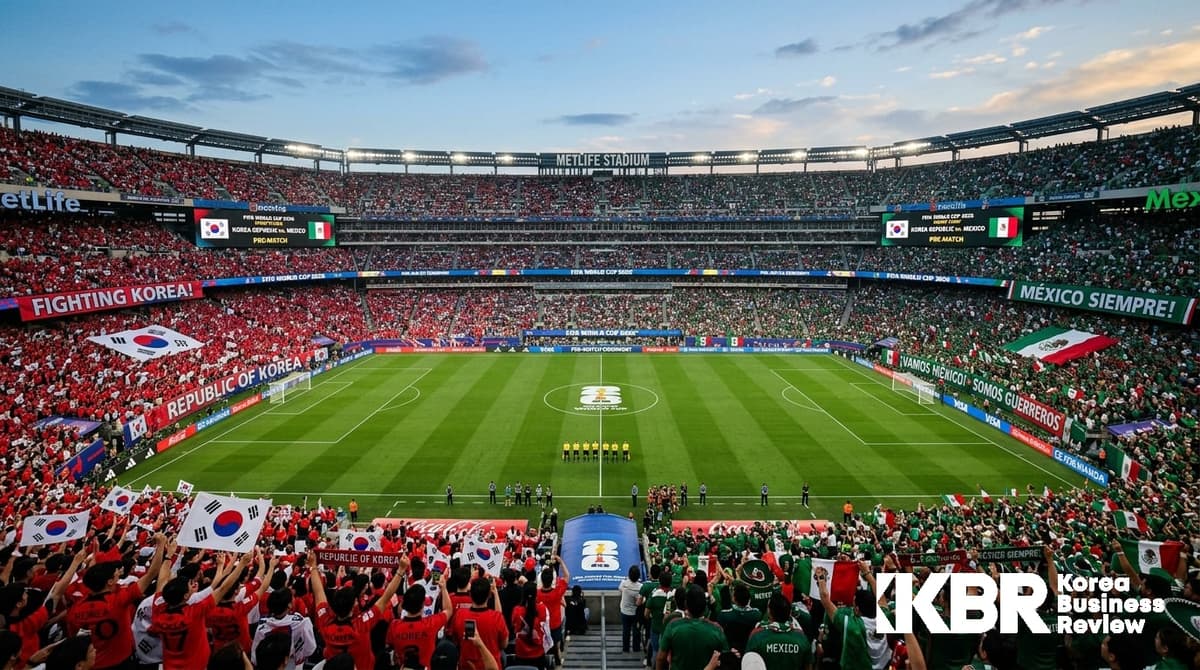
The World Cup stadium is a microcosm of corporate management—the process of mobilizing an organization toward goals with limited time and resources, analyzing opponents, and responding to variables in real time is fundamentally similar to management. Distinguish yet align strategy and tactics—when you think of broad direction (strategy) and specific execution (tactics) separately while connecting them consistently, you can avoid the trap of vision and execution operating in silos. Data does not replace intuition; it prompts better questions—the discernment to filter out indicators that have actual causality with performance, rather than easily measurable surface-level numbers, is key to decision-making in the data era. Structure, placement, and selection and concentration dictate performance—competitiveness is created by the structure in which an individual works rather than their individual ability, and by resource allocation focused on critical junctures rather than equal distribution. Ultimately, people move organizations—leadership that prepares for crises with multiple scenarios, motivates each member appropriately, and leads the team with an unshakeable identity is the final completion of all strategy.
Learning Management from the 90-Minute Pitch: Strategic and Tac…
KBR Access
KBR Article content is available to Premium members only
This content is available exclusively to Premium members. Premium comes as a 1-month pass (₩34,900, one-time payment, no auto-renewal) or a monthly subscription (₩29,900/month) — both available via Toss Payments. Premium unlocks core content including ESG, KBR Articles, and KBR Analysis.
FREE ACCOUNT · NO CARD REQUIRED
Create a free KBR account
Creating a KBR account is free and takes about a minute — no card required. You'll come straight back to this page once you're done.
KBR NEWSLETTER
Sign up for free and get the KBR Newsletter!
Sign up and opt in to the newsletter to receive KBR's curated business and economic insights by email.
LATEST IN TOPIC
Latest in this topic
 Do We Need to Increase Inventory When Sales Rise? Separating Demand and Price Effects Through Costco's Performance
 Why IKEA Is Lowering Prices While Accepting Lower Margins: How a €1.2 Billion Investment is Reshaping Competition
 Lego Released 330 New Products in Half a Year and Grew Operating Profit by 22%: The Operating Structure That Handled High-Mix Innovation
RELATED CONTENT
Related Content