ESG MARKET & CASES
Examining ESG Among Global Enterprises: Strategies and Realities of Leading Companies
Amid the changing global ESG environment, global leading companies such as Apple, Microsoft, and Unilever, along with key domestic corporations including Samsung Electronics, Hyundai Motor Company, POSCO, and SK Hynix, are implementing ESG strategies tailored to their respective industry characteristics. Consumer goods and manufacturing ESG: The war on supply chains and plastics. Unilever: Transparency in goal adjustment and tangible performance. The rise of honest ESG communication: Cases of 'honest ESG' are increasing, where companies transparently disclose realistic adjustments and the reasons behind them—such as Microsoft admitting to emission increases and Unilever revising its plastic targets—rather than clinging to unachievable goals, thereby building trust instead.
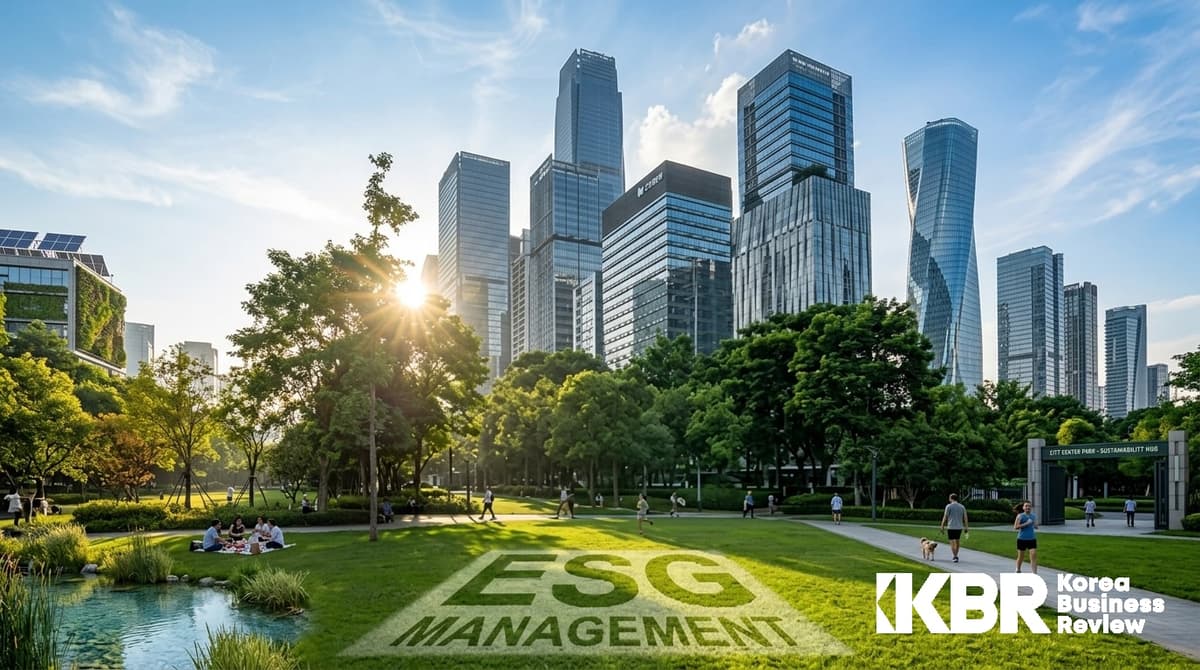
Amid the changing global ESG environment, global leading companies such as Apple, Microsoft, and Unilever, along with key domestic corporations including Samsung Electronics, Hyundai Motor Company, POSCO, and SK Hynix, are implementing ESG strategies tailored to their respective industry characteristics. Consumer goods and manufacturing ESG: The war on supply chains and plastics. Unilever: Transparency in goal adjustment and tangible performance. The rise of honest ESG communication: Cases of 'honest ESG' are increasing, where companies transparently disclose realistic adjustments and the reasons behind them—such as Microsoft admitting to emission increases and Unilever revising its plastic targets—rather than clinging to unachievable goals, thereby building trust instead.
ESG is Not an Option, but a Survival Strategy As the climate crisis accelerates and each country's ESG disclosure regulations are strengthened, the sustainability management strategies of global companies have now established themselves as a core axis of corporate competitiveness.…
KBR Access
ESG content is available to Premium members only
This content is available exclusively to Premium members. Premium comes as a 1-month pass (₩34,900, one-time payment, no auto-renewal) or a monthly subscription (₩29,900/month) — both available via Toss Payments. Premium unlocks core content including ESG, KBR Articles, and KBR Analysis.
FREE ACCOUNT · NO CARD REQUIRED
Create a free KBR account
Creating a KBR account is free and takes about a minute — no card required. You'll come straight back to this page once you're done.
KBR NEWSLETTER
Sign up for free and get the KBR Newsletter!
Sign up and opt in to the newsletter to receive KBR's curated business and economic insights by email.
LATEST IN TOPIC
Latest in this topic
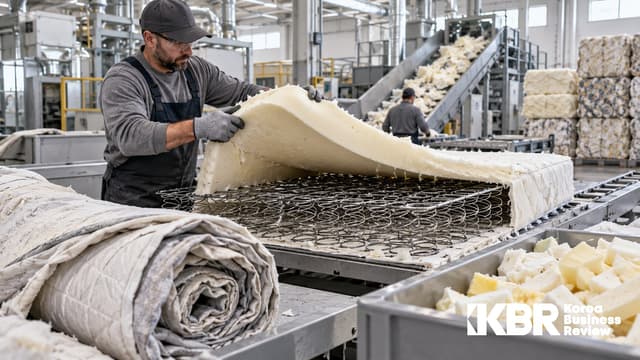 Recycling 2 Million Mattresses Is Not the End: Raw Materials and Market Channels That Determine Circular Economy Profits
 Better Water Use Efficiency Doesn't Eliminate Scarcity: Corporate Water Management Through the Lens of Microsoft
 Patagonia's Circular Economy Blind Spot: Tasks Left After 170,000 Repairs
RELATED CONTENT
Related Content
EU Food Waste Reduction Targets: Food Companies Must Change the Structures That Cause Waste, Not Just Measure What Is Thrown Away
PremiumApple's 30% Recycled Materials: What Supply Chains Must Prove Beyond 'Eco-Friendly' Raw Materials
PremiumWhy UNEP's Redrawn 'Exceeding 1.5°C' Pathway Demands Corporate Climate Strategies Combine Mitigation and Adaptation