SPECIAL REPORTS
Where is Population Growth Highest? South Korea's 2026 Population Map Led by Gwangmyeong, Hwaseong, and Pyeongtaek
Driven by large-scale redevelopment and reconstruction apartment moves, Gwangmyeong, Gyeonggi Province, saw its population rebound by approximately 8.5%, rising from 277,281 in October 2024 to 300,826 in February 2026, recovering the 300,000 mark after about five years. Hwaseong and Pyeongtaek in southern Gyeonggi Province posted population growth rates of 12.5% and 9.6% respectively over the past five years, backed by massive investments from semiconductor giants like Samsung Electronics and SK hynix, with a notable influx of the 3040 generation. Several other cities and counties in Gyeonggi Province, including Uiwang, showed population growth driven by the creation of new residential districts. Conversely, the administrative capital Sejong experienced three consecutive months of population decline from December 2025 to February 2026, turning into a net outflow due to factors such as the relocation of the Ministry of Oceans and Fisheries. Separately from domestic migration, the number of foreign nationals residing in South Korea surpassed 2.8 million for the first time in October 2025, setting a new all-time high.
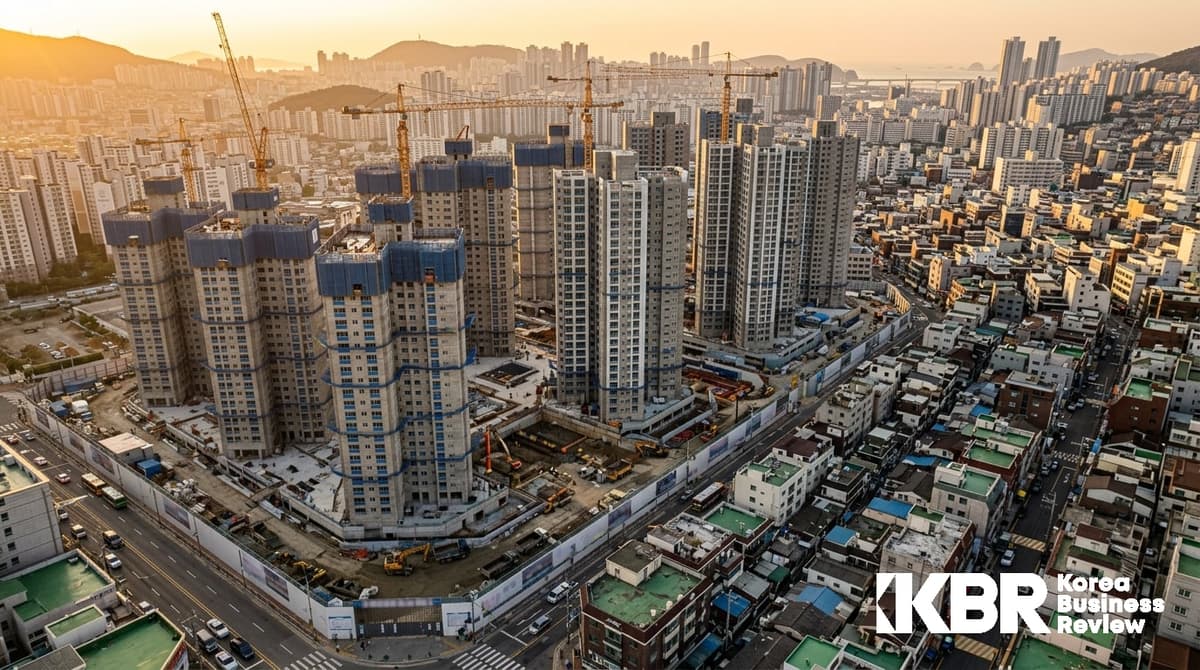
Driven by large-scale redevelopment and reconstruction apartment moves, Gwangmyeong, Gyeonggi Province, saw its population rebound by approximately 8.5%, rising from 277,281 in October 2024 to 300,826 in February 2026, recovering the 300,000 mark after about five years. Hwaseong and Pyeongtaek in southern Gyeonggi Province posted population growth rates of 12.5% and 9.6% respectively over the past five years, backed by massive investments from semiconductor giants like Samsung Electronics and SK hynix, with a notable influx of the 3040 generation. Several other cities and counties in Gyeonggi Province, including Uiwang, showed population growth driven by the creation of new residential districts. Conversely, the administrative capital Sejong experienced three consecutive months of population decline from December 2025 to February 2026, turning into a net outflow due to factors such as the relocation of the Ministry of Oceans and Fisheries. Separately from domestic migration, the number of foreign nationals residing in South Korea surpassed 2.8 million for the first time in October 2025, setting a new all-time high.
<p c…
KBR Access
KBR Analysis content is available to Premium members only
This content is available exclusively to Premium members. Premium comes as a 1-month pass (₩34,900, one-time payment, no auto-renewal) or a monthly subscription (₩29,900/month) — both available via Toss Payments. Premium unlocks core content including ESG, KBR Articles, and KBR Analysis.
FREE ACCOUNT · NO CARD REQUIRED
Create a free KBR account
Creating a KBR account is free and takes about a minute — no card required. You'll come straight back to this page once you're done.
KBR NEWSLETTER
Sign up for free and get the KBR Newsletter!
Sign up and opt in to the newsletter to receive KBR's curated business and economic insights by email.
LATEST IN TOPIC
Latest in this topic
 Can AI Help Extend Human Life? The Current State of Medical AI
 Seoul's Cost of Living Lower Than New York and London, But Higher Than Tokyo: Assessing Seoul's Relative Costs Through Rent-Excluding Living Expenses and OECD Inflation Rates
 Small Business Closure Rates Drop, but It Is Too Early to Call It a Recovery
RELATED CONTENT
Related Content
Even When U.S. Industrial Production Stagnates, Manufacturing Declines: Why Facility Investments Cannot Be Decided by Average Indicators
PremiumUK Consumption Rebounds While US Manufacturing Slumps: What Companies Should Look for When Recovery Signals Diverge
PremiumExpanding High-Speed Rail Seats by 116,000 Weekly: How Much Will It Ease KTX Booking Struggles?
PremiumFacility Investment Rose 7.5% While Consumption Dropped 2.4%: The Temperature Gap in Recovery Shown by July Industrial Indicators