

ESG POLICY & STRATEGY
Methane Reduction Is Profitable, So Why Are Investments and Repairs Delayed?
The IEA's Global Methane Tracker 2026 shows that even when emissions can be reduced with no net cost, initial capital, contracts, and operational capacity can still prevent execution. This article distinguishes between potential reduction volumes and actual performance while analyzing the connection between cost burdens and recovered value.
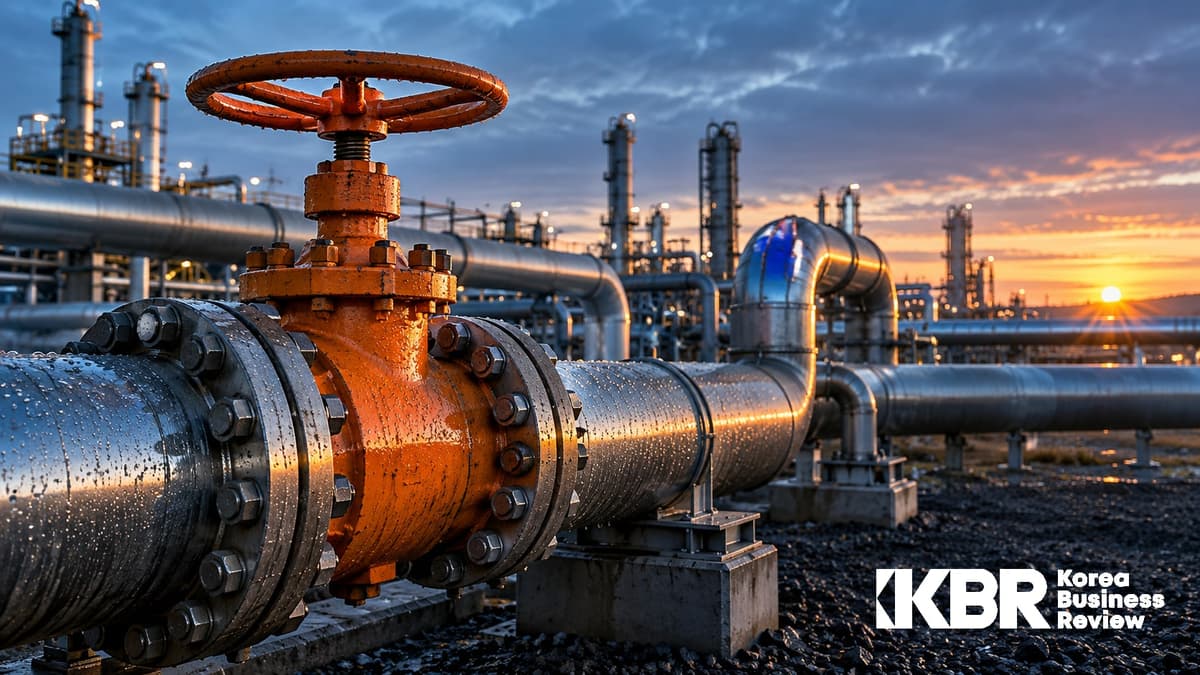
The explanation that reducing methane allows companies to recover gas that can be sold or used is attractive. The 'Global Methane Tracker 2026,' published by the International Energy Agency (IEA) on May 4, 2026, estimated that applying average 2025 energy prices would allow more than 35 million tons of methane emissions in the fossil fuel sector to be reduced at zero net cost. However, the same report notes that emissions remain at high levels. Why is execution not fully taking place despite the existence of seemingly economically advantageous opportunities? Explaining this question solely through a lack of technology misses the issues of investment and operations. Even if the value of the recovered gas can compensate for costs over the long term, upfront capital is required to purchase equipment initially, and the entity bearing the costs may differ from the entity reaping the benefits.…
KBR Access
Read this ESG article now
Buy this article for ₩3,900 (30 days of access), or get KBR+ 10 — 10 paid articles for ₩9,900 (₩990 each). KBR Members (free sign-up) read one paid article free every month.
✓ No account needed · Checkout is in Korean
Best value
KBR+ 10 · ₩9,900
An insight pass that opens 10 KBR+ articles, one at a time, whenever you like
10 KBR+ articles including KBR Analysis — ₩990 each. Use them within 60 days.
Get KBR+ 10KBR NEWSLETTER
Sign up for free and get the KBR Newsletter!
Sign up and opt in to the newsletter to receive KBR's curated business and economic insights by email.
LATEST IN TOPIC
Latest in this topic
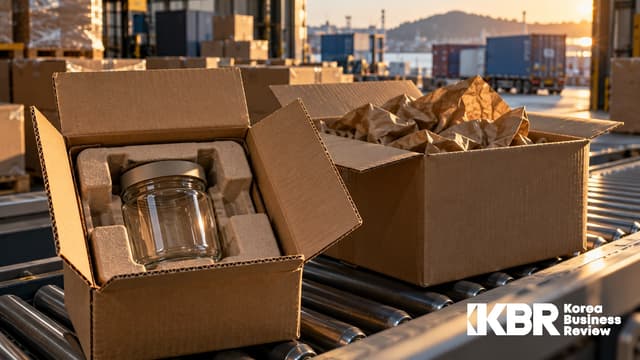 EU Packaging Regulations: Reducing Empty Space in Boxes Requires Changing Purchasing Criteria
 EUDR Implementation Dates Vary: Coffee Exports and the Record of Raw Materials to Be Connected
 EU Pay Transparency Directive Implementation in 2026: Mandatory Salary Disclosure and Strategy for South Korean Companies
Related Content