
MANAGEMENT ARTICLE
Raise Prices or Increase Investments? Choices for Protecting Profits During Cost-Inflation Periods
Starting from Nestlé India's July–September 2026 financial results, this article compares price adjustments, brand investments, and product and distribution structure improvements. It provides criteria for simultaneously evaluating cash flow and customer response, rather than mistaking revenue growth rates for return on investment.
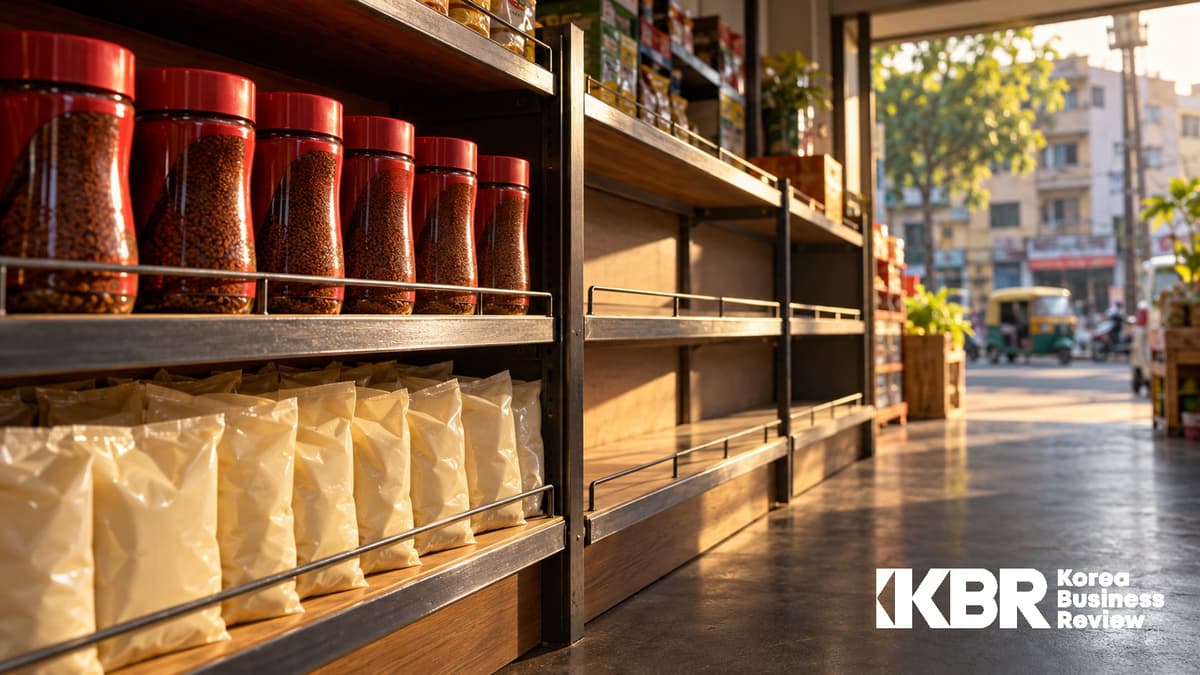
The quarterly financial results released by Nestlé India on October 15, 2026, raise questions about how to allocate growth budgets in the face of cost pressures. Product sales for the second quarter of the 2026–2027 fiscal year, ending in late September, rose 20.5% year-on-year to 6,782.2 crore rupees, and the company stated that it expanded advertising and marketing expenditures by 46%. The EBITDA margin in the same announcement stood at 23.8%. While it is easy to view this scene—where revenue growth accompanied larger brand investments—as a success formula for increased advertising spending, the published figures alone do not confirm a direct causal relationship between the two changes. Rather, the critical question for management lies elsewhere. Amid volatile raw material prices, the choice is whether to raise prices, maintain investments to secure customers, or overhaul distribution…
KBR Access
Read this KBR Article article now
Buy this article for ₩3,900 (30 days of access), or get KBR+ 10 — 10 paid articles for ₩9,900 (₩990 each). KBR Members (free sign-up) read one paid article free every month.
✓ No account needed · Checkout is in Korean
Best value
KBR+ 10 · ₩9,900
An insight pass that opens 10 KBR+ articles, one at a time, whenever you like
10 KBR+ articles including KBR Analysis — ₩990 each. Use them within 60 days.
Get KBR+ 10KBR NEWSLETTER
Sign up for free and get the KBR Newsletter!
Sign up and opt in to the newsletter to receive KBR's curated business and economic insights by email.
LATEST IN TOPIC
Latest in this topic

Related Content